
What is neurofeedback?
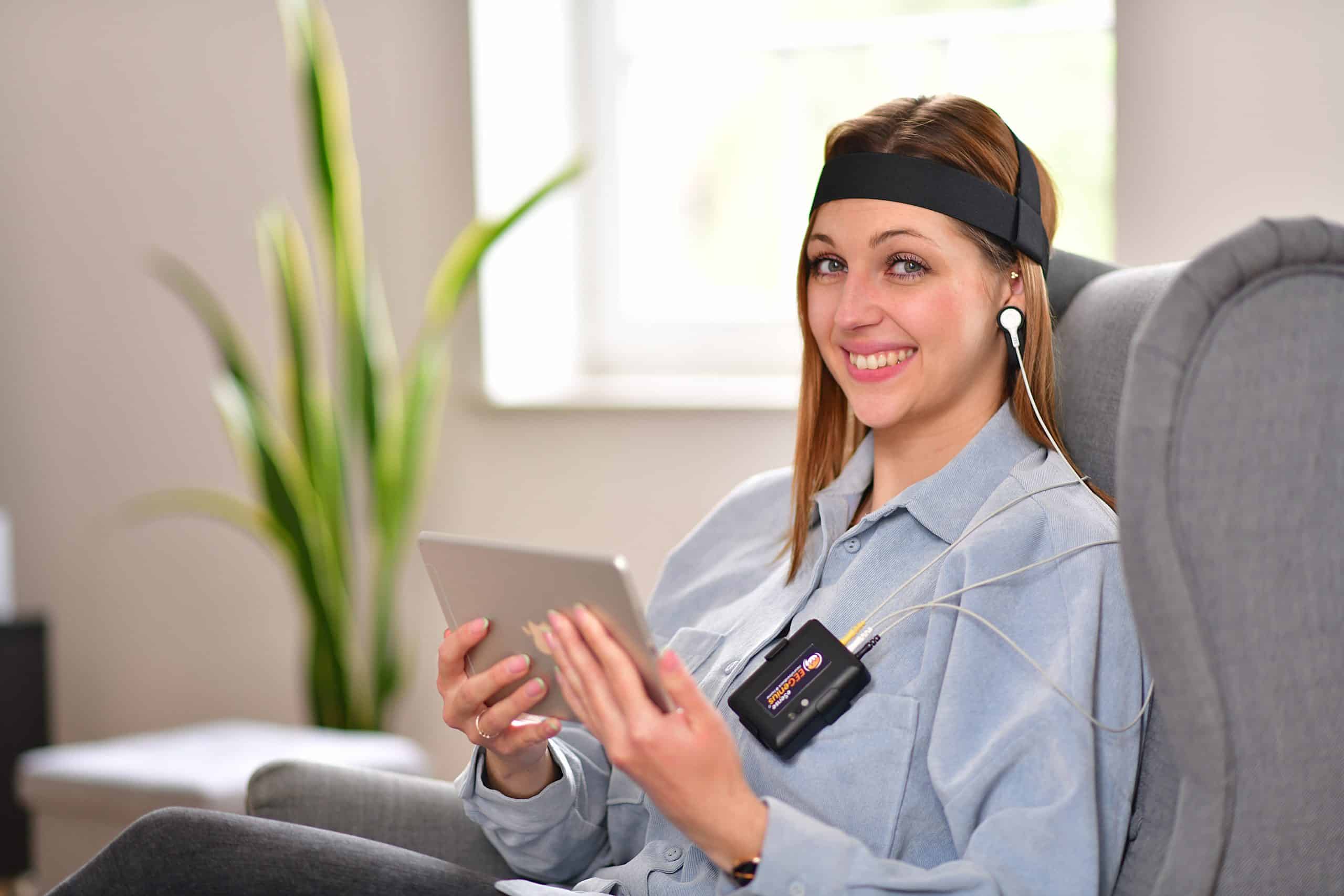
Neurofeedback is a modern form of training aimed at specifically influencing brain activity. Since the 1960s, this method has continuously evolved. Using sensors, brainwaves are recorded in real time and presented as visual or auditory feedback. This enables the brain to learn to self-regulate its activity—such as promoting relaxation or concentration. Among other applications, neurofeedback is used to optimize sleep by supporting the balance of brainwaves, thereby encouraging healthy sleep patterns.
Important findings
- Neurofeedback uses real-time brainwave data for individualized feedback.
- The procedure is non-invasive and can have a positive effect on sleep quality.
- Usually 10 to 20 sessions are required for lasting effects.
- Neurofeedback can contribute to stress reduction and relaxation.
- The support of a qualified trainer is crucial for training success.
Functionality and procedure
In a neurofeedback session, sensors are attached to the scalp that measure the brain’s electrical signals. These signals are analyzed and fed back as feedback. This way, the user can learn to specifically influence their brain activity. The training is individually tailored, and progress is regularly monitored.
- Survey of the initial situation and medical history
- Attaching the sensors and measuring brain activity
- Implementation of the training with real-time feedback
- Regular adjustment of the training parameters
How can neurofeedback improve sleep?
Neurofeedback can help improve sleep quality by specifically promoting the regulation of brainwaves such as alpha and theta frequencies. These are particularly important for the initiation and depth of sleep. Studies show that neurofeedback can support the treatment of sleep disorders and stabilize sleep architecture. Additionally, the training contributes to stress reduction, which promotes more restful sleep.
Connection between brain waves and sleep
Alpha and theta waves play a central role in falling asleep and during deep sleep phases. Through targeted training of these frequencies, neurofeedback can support a natural sleep rhythm.
“Brain waves influence sleep phases: Alpha waves promote relaxation, theta waves support the process of falling asleep.”
Studies on the effectiveness of neurofeedback for sleep disorders
- Improvement of sleep quality through EEG neurofeedback: In an open study with 82 patients with insomnia, it was shown that EEG biofeedback (neurofeedback) significantly improved sleep quality and was associated with an increase in alpha power as well as a reduction in beta and theta power in the EEG. Anxiety and depression symptoms were also reduced.
Source: PMC10670123 - Effective SMR Neurofeedback for Sleep Problems: In a study involving 37 individuals with sleep issues, at-home SMR neurofeedback training led to an increase in sleep duration and an improvement in subjective sleep quality. Particularly successful participants (“SMR learners”) benefited significantly.
Source: PMC8831243 - fMRI neurofeedback improves sleep and brain function: In patients with chronic insomnia, amygdala-based fMRI neurofeedback improved both sleep quality as well as symptoms of depression and anxiety. Functional changes in the brain were also observed.
Source: PMC8904428 - Review on Subjective Sleep Improvement: A review article of 12 experimental studies shows that neurofeedback—especially SMR training—improved subjective sleep quality in all investigations.
Source: PMC8546766
Conclusion: The current body of research suggests that neurofeedback—particularly SMR and alpha training—can improve sleep quality, sleep duration, and well-being in individuals with sleep disorders. Positive changes in brain activity and a reduction in stress symptoms have also been documented.
Wichtiger medizinischer Hinweis: Die Nutzung von Biofeedback und Neurofeedback bei bestehenden Erkrankungen darf ausschließlich nach Rücksprache und unter Begleitung qualifizierter medizinischer Fachkräfte erfolgen. Eine eigenständige Therapie ohne fachliche Begleitung kann bestehende Erkrankungen verschlimmern oder wichtige Behandlungen verzögern. Die Technologie dient nur als unterstützende Maßnahme und ersetzt keine medizinisch notwendigen Behandlungen. Vor Beginn einer Anwendung ist eine fundierte medizinische Diagnose sowie die regelmäßige Kontrolle durch Fachpersonal erforderlich.
What are the benefits of neurofeedback for sleep?
| Advantage | Description |
|---|---|
| Improved sleep duration | Longer and more restful sleep through targeted brain wave training |
| Deep relaxation | Reducing stress and promoting restful sleep |
| Individual customizability | The training is tailored to personal needs |
Regular neurofeedback sessions can help stabilize sleep architecture and improve overall well-being. People with chronic sleep problems, in particular, benefit from this non-invasive method.
Costs and time required
The costs for neurofeedback vary depending on the provider and region. Each session typically costs between 60 and 150 euros. For sustainable results, usually 10 to 20 sessions are required. An individualized training plan and consultation with a qualified trainer are recommended.
Who is neurofeedback suitable for?
Neurofeedback is suitable for people with sleep disorders, increased stress, or a disturbed sleep rhythm. Prerequisites include an open attitude toward new methods and the willingness to participate in regular training sessions. Before starting, a medical evaluation should be conducted, especially in the presence of existing health conditions
Medical Notice: The use of neurofeedback for existing medical conditions should only be undertaken after consultation with and under the supervision of qualified medical professionals. This method serves as a supportive measure and does not replace medically necessary treatments.
| Target groups | Prerequisites |
|---|---|
| People with sleep disorders | Openness to new methods, medical clarification |
| Professionals, students | Willingness for regular meetings |
| Older people | Desire for sleep optimization, consultation with specialists |
Risks and side effects
Neurofeedback is considered a safe procedure. In rare cases, side effects such as mild headaches or fatigue may occur. A careful medical history and supervision by a qualified trainer minimize the risk. People with serious neurological or mental illnesses should seek medical advice before starting.
How do I find a qualified neurofeedback trainer?
A qualified trainer is crucial for the success of the training. Pay attention to recognized certifications, regular continuing education, and recommendations from professional societies. A professional trainer creates an individualized treatment plan and provides transparent information about methods and costs.
- Recognized certifications in the field of neurofeedback
- Regular training and further education
- Recommendations from professional societies or associations
- Positive feedback from previous users
FAQ on neurofeedback for sleep disorders
What is neurofeedback?
Neurofeedback is a training method in which brain waves are measured in real time and fed back as feedback in order to promote self-regulation.
How does neurofeedback work?
Sensors measure brain activity, which is displayed as visual or acoustic feedback. This allows the brain to learn to reinforce desired patterns.
What are the benefits of neurofeedback for sleep?
Neurofeedback can improve sleep quality and duration, reduce stress and stabilize sleep architecture.
Are there any risks or side effects?
The procedure is considered safe, but in rare cases can cause mild side effects such as headaches or fatigue.
How do I find a qualified trainer?
A qualified trainer has certifications, undergoes regular further training and offers individual advice.
Note: This article is for informational purposes only and does not replace medical advice. For an individual assessment, please consult qualified professionals.

Niko Rockensüß
Niko Rockensüß, 1983 in Berlin geboren, ist ein führender Experte im Bereich Biofeedback und Neurofeedback mit über 20 Jahren Berufserfahrung. Als Geschäftsführer der Mindfield Biosystems Ltd. hat er maßgeblich zur Entwicklung und Verbreitung innovativer Biofeedback- und Neurofeedback-Lösungen beigetragen.