What is biofeedback and how does it work?
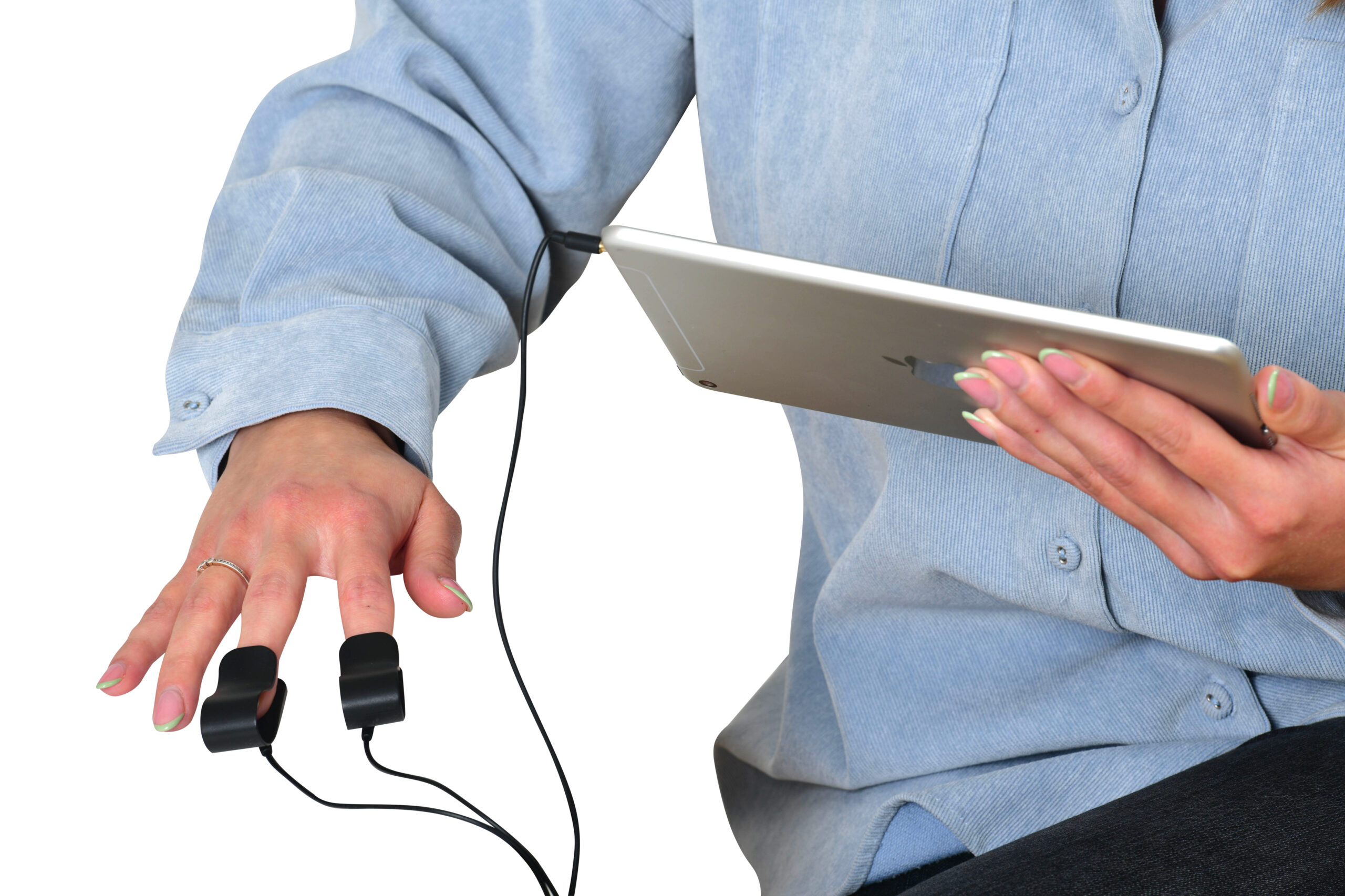
Biofeedback is an innovative technique that enables individuals to consciously control physiological functions such as heart rate or muscle tension. By using modern technologies like sensors and computers, real-time feedback on bodily parameters is provided, helping users influence involuntary physiological processes. This method is frequently used to reduce stress or alleviate chronic pain.
The various types of biofeedback—including EEG (electroencephalography), EMG (electromyography), and temperature feedback—offer a wide range of applications and open up new possibilities in health promotion and psychological support
Important findings
- Biofeedback enables the control of physiological functions through conscious self-regulation.
- Through the use of EEG and EMG, biofeedback offers a wide range of possible applications.
- The method is characterized by its non-invasiveness and the possibility of individual adaptation.
- The cost of biofeedback varies, although some insurance options exist to cover the costs.
- Side effects are rare and can be avoided with professional advice.
- Biofeedback centers offer specialized technologies and individual training approaches.
Definition and basics of biofeedback
Biofeedback is an innovative training method that enables individuals to better understand and control their bodily functions. By using sensors that measure physiological signals such as heart rate, skin temperature, and muscle tension, users receive real-time feedback about their physical processes. The information gained supports self-regulation and encourages a conscious approach to stress and tension.
Biofeedback is based on the principle that the body can be optimized through conscious training to enhance overall well-being. This technique is widely used in modern healthcare and provides valuable insights into individual behavioral patterns.
Technologies and methods used in biofeedback
Biofeedback uses modern technologies such as EEG and EMG to provide real-time biological information of the body. These methods measure various physiological functions, including heart rate, muscle tension and skin temperature, and enable users to improve their self-regulation through targeted exercises. Devices range from wearable sensors to specialized machines in clinics. By combining biological signals with conscious responses, users learn to manage stress and other health issues more effectively. The combination of technologies and personalized methods in biofeedback offers unique insights into one’s health that can lead to an improved quality of life.
What are the benefits of biofeedback?
Biofeedback offers a variety of remarkable health benefits. It helps people consciously control and improve specific bodily functions, which promotes stress management and psychological well-being. Applications include optimizing sleep, managing chronic pain conditions, as well as supporting the treatment of high blood pressure and migraines. People also benefit from improved concentration and emotional balance. The use of biofeedback is non-invasive and allows for the training to be individually adapted to personal needs, resulting in sustainable outcomes. This versatility makes it a valuable tool for many users.
- Stress management
- Improving concentration
- Support for migraines
- Blood pressure regulation
Health benefits and applications (psychosomatics)
Biofeedback offers a wide range of health benefits and applications, especially in the area of stress management and for psychosomatically induced complaints. This technique enables users to monitor and control bodily processes such as heart rate, skin temperature, skin conductance, respiration, and muscle tension in real time. Through this self-regulation, issues like chronic pain, headaches, and anxiety can be addressed effectively. In addition, biofeedback helps improve overall well-being by making it easier to manage emotional reactions and stress factors. Its non-invasiveness and the potential to reduce the need for medication are further advantages that make biofeedback an attractive option.
Wichtiger medizinischer Hinweis: Die Nutzung von Biofeedback und Neurofeedback bei bestehenden Erkrankungen darf ausschließlich nach Rücksprache und unter Begleitung qualifizierter medizinischer Fachkräfte erfolgen. Eine eigenständige Therapie ohne fachliche Begleitung kann bestehende Erkrankungen verschlimmern oder wichtige Behandlungen verzögern. Die Technologie dient nur als unterstützende Maßnahme und ersetzt keine medizinisch notwendigen Behandlungen. Vor Beginn einer Anwendung ist eine fundierte medizinische Diagnose sowie die regelmäßige Kontrolle durch Fachpersonal erforderlich.
Psychological benefits and stress management
Biofeedback offers significant psychological benefits, making it a valuable method for stress management. Through the use of biofeedback techniques, individuals can learn to effectively control their physiological responses to stress. This control leads to improved emotional self-regulation and promotes an overall sense of well-being. Studies1-3 show that regular biofeedback training activates the parasympathetic nervous system, which contributes to a reduction in anxiety. This method is particularly useful for people who suffer from chronic stress or psychological strain, as it provides them with tools to manage their reactions in stressful situations.
“Psychological benefits of biofeedback include improved self-regulation and stress management.”
Where can you find the best biofeedback centers?
The selection of the right biofeedback center is crucial for the success of the training. The most important criteria include the professional qualifications of the staff, the availability of modern technology, and individually tailored programs. Many leading centers offer innovative approaches and are located in major cities or renowned health institutions. They combine scientifically based methods with individually adapted treatment plans. Famous centers are located in Germany, the USA, and the United Kingdom1. These institutions guarantee quality and set standards in biofeedback training.
interests.biofeedback
Criteria for selecting a biofeedback center
When choosing a biofeedback center, various criteria play a decisive role. First, the certification and accreditation of the center should be checked to ensure that the services offered are of high quality and safe. It is also important to find out about the available technologies and methods, as modern devices can provide more precise results. The location and accessibility of the center are also important, especially for regular visits. Finally, the staff should be qualified and experienced to ensure individualized care.
Top recommended biofeedback centers worldwide
The selection of a suitable biofeedback center can be crucial for the success of your training. There are many renowned centers worldwide that are distinguished by high standards and qualified staff. When choosing a center, aspects such as accredited certifications and modern equipment should be taken into account. Some of the most respected biofeedback centers can be found in countries like the USA, Germany, and Japan. These centers offer advanced technologies and specialized training approaches to meet the individual needs of patients.
How do you choose the right biofeedback trainer?
Choosing the right biofeedback trainer is crucial for the success of the treatment. It is advisable to ask about the trainer’s qualifications and experience. A well-trained trainer has verifiable certifications and specialized training in biofeedback techniques. It is also wise to gather information about previous successes and client reviews. Ask specific questions about the method used and the expected duration of treatment. This careful selection ensures that you receive optimal support to successfully achieve your health goals.
Qualifications and training of a biofeedback trainer
A solid education and specific qualifications are crucial when selecting a biofeedback trainer. These professionals should possess in-depth knowledge of biofeedback techniques and ideally be trained by recognized certification bodies. Typical educational backgrounds include psychology or physiotherapy. Regular continuing education and practical experience are also essential to master modern developments in the field. A qualified trainer tailors their approach to the needs of their clients. Before choosing a trainer, you should check their certificates and references.
Questions you should ask a potential trainer
When selecting a biofeedback trainer, it is essential to gather thorough information beforehand. Make sure that the trainer is qualified and has the necessary experience. Ask about the techniques used and how they measure training success. What professional training and certifications do they have? Also, inquire about the specific costs of a session and check whether the training is covered by your insurance. An additional safety aspect is whether the trainer regularly attends continuing education courses.
What are the costs associated with biofeedback?
The costs for biofeedback can vary significantly depending on the region and type of treatment. In general, prices for a session range between 50 and 150 euros. Some specialized centers offer packages that include multiple sessions, which can reduce the overall costs. It is advisable to check insurance options in advance, as some health insurance providers offer partial or full reimbursement. Additionally, financing options should be considered to make access to this method easier.
Variations in costs worldwide
The costs for biofeedback vary significantly depending on the region and provider. While some centers in the USA charge between 100 and 300 euros per session, lower prices of about 50 to 150 euros can be expected in other countries such as India or Thailand. Factors influencing the cost include the trainer’s qualifications, the technology used, and the range of services offered. It is advisable to consider both quality and price in order to find the best value for money.
Tips on financing and insurance
The costs for biofeedback training can vary significantly and are often an important factor in decision-making. To reduce financial burdens, certain insurance providers may cover part of the costs. It is worthwhile to check in advance which services are covered by your plan1. Additionally, some centers offer discounts or installment payment plans that can be flexibly tailored to your needs3. Comparing different providers and obtaining quotes can also help you find affordable options. It is also advisable to explore tax benefits or funding programs to effectively minimize expenses
| Financing option | Description |
|---|---|
| Insurance cover | Check which services are covered |
| Installment plans | Flexibly adapted to customer needs |
| Discounts and offers | Compare providers to find cost-effective options |
| Tax advantages | Possible deductions due to special expenses |
| Support programs | Support through specific programs |
Are there any risks or side effects with biofeedback?
When using biofeedback, potential risks or side effects may occur, though these are usually rare and mild. Reported effects include occasional headaches, fatigue, or slight dizziness. To avoid such side effects, the trainer should be chosen carefully. Certain pre-existing conditions require consultation with a doctor before starting the training. With appropriate education and extensive experience on the part of the trainer, these risks can be minimized. Users report that professional supervision is crucial for positive outcomes.
Possible side effects and how to avoid them
Biofeedback is a valuable method for promoting well-being, but like any form of training, side effects can also occur. Possible side effects include headaches or feelings of stress. It is important for users to pay attention to their physical reactions and consult a professional if they have any concerns. To avoid side effects, the choice of trainer should be made carefully and the method should be gradually integrated into daily life. Continuous monitoring and adjustment of the training make it possible to fully benefit from biofeedback.
| Risk type | Avoidance option |
|---|---|
| Headache | Slow introduction |
| Feelings of stress | Professional advice |
| Uncertainties | Obtain specialist advice |
When to consult a doctor before use
Before starting biofeedback, a medical consultation should always be considered, especially if there are existing health conditions. A doctor can determine whether biofeedback is an appropriate choice and provide specific recommendations. The safety and effectiveness of biofeedback are high in most cases, but it is essential to evaluate potential risks. Especially in cases of heart disease or psychological issues, a professional assessment can help prevent negative reactions and optimize the training.
What experiences do users of biofeedback report?
Biofeedback has established itself as a promising method in stress management and health promotion. Users frequently report improved physical relaxation and a noticeable reduction in stress symptoms. Many emphasize the increased self-awareness they have gained through biofeedback, which enables them to deal more consciously with their bodies and emotions. Experience reports also highlight its practical application in everyday life, where biofeedback is used as a supportive training alongside conventional treatment for chronic pain or anxiety disorders. However, effectiveness varies individually, and some users recommend a patient approach for the best results.
“Users of biofeedback often emphasize the increased self-confidence and a heightened sense of well-being, whereby the method is seen as a valuable addition to traditional training.”
Frequent testimonials from users
Experiences with biofeedback are diverse and often show positive effects. Numerous users report improved control over stress, anxiety, and chronic pain. Through targeted feedback on physiological processes such as heart rate and muscle tension, many people gain increased body awareness. This method makes it possible to identify specific stress triggers and respond to them in a targeted manner. Many also report improved sleep quality and emotional stability. A crucial factor for success is regular use, which enables lasting improvements in everyday life.
Success stories and challenges
Success stories in the field of biofeedback show that this method can significantly contribute to improving quality of life. Many users report clear progress in stress management and increased self-awareness. Despite numerous positive outcomes, challenges must also be considered. Irregular use or insufficient guidance can reduce effectiveness. It is important to find a trainer with sufficient expertise to adapt to individual needs. It is recommended to question experiences and check references to ensure optimal results.
FAQ about biofeedback
What is biofeedback?
Biofeedback is a method that makes it possible to consciously control physiological functions such as heart rate or muscle tension.
Which technologies are used in biofeedback and neurofeedback?
Modern technologies such as EEG, EMG, ECG, skin temperature, respiration and skin resistance are used to measure physiological functions in real time.
What are the benefits of biofeedback?
Biofeedback promotes stress management, improves well-being and can help with chronic pain and migraines.
Are there any risks or side effects with biofeedback?
Possible risks or side effects are rare, but occasionally include headaches or tiredness.
What are the costs associated with biofeedback?
The costs can range from 50 to 150 euros per session, but vary depending on the region and provider.
How do you choose the right biofeedback trainer?
The qualifications and certifications of the trainer as well as individual experience reports should be checked.
What are common applications of biofeedback?
Biofeedback is used to optimize sleep, stress management, chronic pain and the entire spectrum of psychosomatic medicine.

Niko Rockensüß
Niko Rockensüß, 1983 in Berlin geboren, ist ein führender Experte im Bereich Biofeedback und Neurofeedback mit über 20 Jahren Berufserfahrung. Als Geschäftsführer der Mindfield Biosystems Ltd. hat er maßgeblich zur Entwicklung und Verbreitung innovativer Biofeedback- und Neurofeedback-Lösungen beigetragen.
Sources
1 Lehrer, P. M., et al. (2020). Heart rate variability biofeedback: How and why does it work? Frontiers in Psychology, 11, 556. https://pubmed.ncbi.nlm.nih.gov/28478782
2 Wells, R., Outhred, T., Heathers, J. A., Quintana, D. S., & Kemp, A. H. (2012). Matter over mind: A randomized-controlled trial of single-session biofeedback training on performance anxiety and HRV in musicians. PLoS One, 7(10), e46597. https://www.ncbi.nlm.nih.gov/pmc/articles/PMC3464298
3 Prinsloo, G. E., Rauch, H. G. L., & Derman, W. E. (2013). A brief review and clinical application of heart rate variability biofeedback in sports, exercise, and rehabilitation medicine. Brain and Behavior, 3(1), 55–65. https://onlinelibrary.wiley.com/doi/10.1002/brb3.241

